
As the leaves change across South Denver and the mountains collect their first dusting of snow, local homeowners are once again turning their attention to home maintenance before winter sets in. The roof—often overlooked until there’s a problem—is one of the most crucial elements to inspect this time of year. At New Heights Construction, South Denver, our annual Roof Health Report compiles data from hundreds of fall inspections throughout the Denver metro area. This report offers valuable insights into the condition of local roofs, the most common seasonal problems we’re seeing, and why early intervention is the key to saving homeowners time and money.
South Denver’s climate is famously unpredictable. Warm, sunny days can be followed by freezing nights, and sudden hail or windstorms can appear out of nowhere. These fluctuating conditions are hard on roofing materials, and over time, the damage accumulates. The fall inspection season is our chance to identify those issues early, reinforce the home’s weather resistance, and prepare for the harsh freeze-thaw cycles of the coming months.
This 2025 Denver Metro Roof Health Report provides a data-driven look at the state of local roofs, the trends we’ve observed during inspections, and practical maintenance strategies for homeowners who want to protect their investment and extend the life of their roof.
The State of Roof Health in South Denver
Fall inspections across the Denver metro area—from Highlands Ranch to Centennial and Littleton—have shown a mix of normal wear and weather-related stress. While many homeowners maintain their roofs regularly, a surprising number of properties show preventable issues that can turn into expensive repairs if ignored through winter.
Common Findings from Fall 2025 Inspections
- Granule Loss on Asphalt Shingles: About 58% of inspected roofs showed signs of shingle granule loss. This reduces UV protection, making shingles brittle and more likely to crack in cold weather.
- Flashing Gaps: 4 out of 10 homes had loose or unsealed flashing, particularly around chimneys and vents. These small gaps allow water to infiltrate the roof deck when snow begins to melt.
- Ventilation Problems: Roughly 30% of attics inspected had restricted airflow. Poor ventilation traps heat and moisture, which can lead to condensation, mold, and premature roof aging.
- Hail-Related Wear: Following several summer storms in the South Denver area, around 20% of inspected roofs showed small impact bruises or cracked shingles that, while minor now, could result in leaks by midwinter.
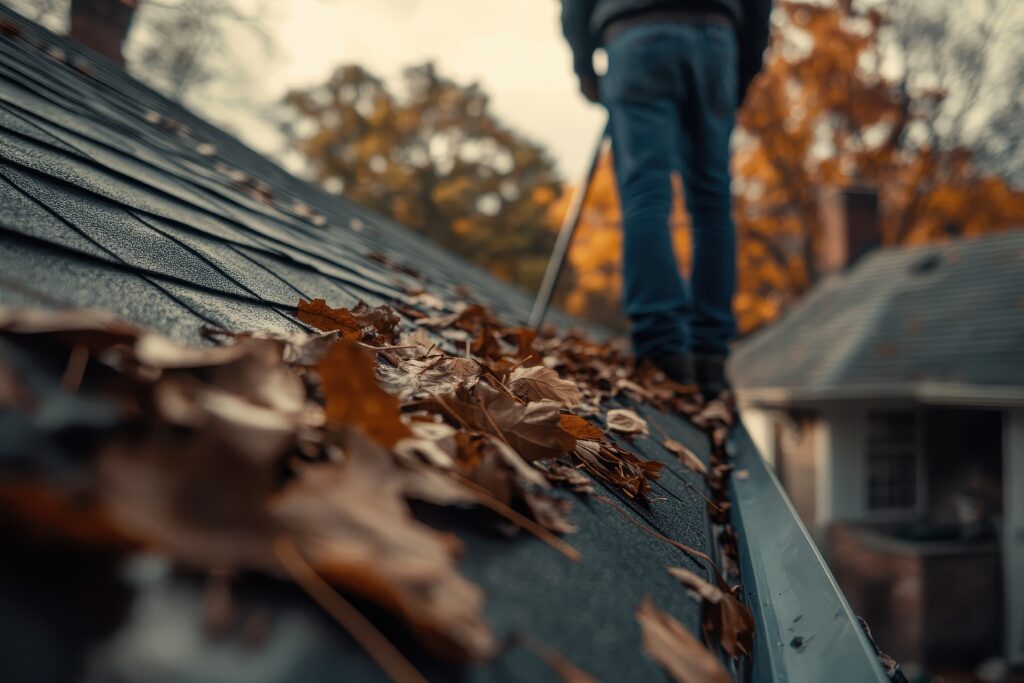
- Drainage Concerns: Many homes, especially those surrounded by large trees, had gutters packed with leaves and twigs. This clogs water pathways and contributes to ice dams and overflow.
These findings highlight the importance of seasonal inspections. Most issues are small enough to be corrected quickly and affordably if caught early. Left alone, however, they can escalate into severe water infiltration, insulation damage, and structural decay during freezing conditions.
Why Fall Roof Inspections Are So Important in Denver
South Denver’s combination of high elevation, intense UV exposure, and fluctuating temperatures makes it one of the toughest regions in the U.S. for roof longevity. The city averages more than 300 sunny days per year, but that sunlight is stronger at altitude, and shingles break down faster. Nights can drop below freezing, creating constant thermal expansion and contraction.
A fall inspection is the best time to evaluate the effects of summer storms and prepare for winter’s freeze-thaw stress. During this season, roofing materials are stable enough for accurate assessment, and repairs can be made before cold temperatures complicate the process.
Benefits of Fall Roof Inspections
- Prevents leaks before snowmelt: Early detection of small cracks or flashing issues prevents water intrusion when ice begins to thaw.
- Improves energy efficiency: Proper ventilation and insulation identified during inspection reduce heat loss and lower energy bills.
- Extends roof lifespan: Addressing minor issues each fall can add up to 10 years to a roof’s useful life.
- Protects resale value: A documented inspection record reassures buyers that the home has been properly maintained.
Roofs in Denver that are inspected annually experience 40% fewer emergency repairs during winter, according to industry data. This proactive approach pays off not only financially but also in peace of mind.
The Most Common Roofing Issues Across South Denver
Through the course of hundreds of inspections in 2025, several recurring issues have been identified across the South Denver metro area. Understanding these problems helps homeowners know what to watch for between professional inspections.
Hail and Wind Damage
Denver experiences some of the nation’s most frequent hailstorms. Even when hailstones appear small, repeated impacts degrade the shingle surface, causing bruising and loss of granules. Wind then compounds the issue by lifting weakened shingles, exposing the roof deck to moisture.
Aging and UV Damage
High-altitude sunlight dries out asphalt shingles and sealants, causing brittleness. Roofs that are more than 12–15 years old in South Denver tend to show accelerated wear compared to similar roofs in lower elevations.
Inadequate Ventilation
Without balanced airflow, warm attic air condenses on cold roof sheathing, leading to mold and ice dams. Proper ventilation keeps attic temperatures stable, preventing moisture buildup and heat loss.
Flashing Separation
Metal flashing is meant to protect roof joints around chimneys and skylights. Over time, temperature swings cause expansion and contraction, which can pull flashing loose and create small entry points for water.
Gutter Blockages
When gutters fill with leaves in the fall, snowmelt has nowhere to drain. The backed-up water refreezes along the eaves, forming ice dams that push moisture under shingles.
Each of these problems starts small but worsens through winter if ignored. Regular professional checks are the best way to catch them early.
Financial Benefits of Preventative Roof Maintenance
Many homeowners assume roof maintenance only becomes necessary when visible damage appears. However, data shows that preventive care significantly reduces long-term expenses and protects interior systems from collateral damage.
Cost Comparison: Preventive vs. Reactive Repairs
- Minor shingle repair: $250–$600
- Flashing reseal: $300–$700
- Interior leak and drywall repair: $2,000–$5,000+
- Full roof replacement: $10,000–$18,000 (depending on size and materials)
Routine inspections and small fixes protect your home from these higher costs. Additionally, well-maintained roofs can lower homeowners’ insurance premiums and simplify claim approvals after severe storms.
Inspections also improve your home’s energy performance. Sealing gaps and optimizing attic airflow can reduce heating costs by up to 15% during Denver’s cold months. That efficiency translates directly to annual savings on utility bills.
What to Expect During a Professional Roof Inspection
At New Heights Construction, South Denver, our roof inspections are comprehensive yet minimally disruptive. The process typically takes one to two hours, depending on the home’s size and complexity.
Visual Assessment: Inspectors evaluate shingles, flashing, vents, and gutters for signs of wear, curling, or cracking.
Attic Evaluation: We check for proper insulation, ventilation balance, and any evidence of moisture or mold.
Moisture Detection: Using infrared tools, we identify hidden leaks that haven’t yet reached the interior.
Drainage Review: Gutters, downspouts, and roof valleys are examined for clogs or misalignment.
Structural Check: Inspectors ensure roof decking and trusses are sound and not showing sagging or soft spots.
Afterward, homeowners receive a digital roof condition report summarizing the findings, photos, and repair recommendations. Each roof is graded as Good, Fair, or Needs Repair, providing a clear picture of the system’s overall health.
Preparing for Winter: Homeowner Maintenance Checklist
Once an inspection is complete, a few simple tasks can help ensure your roof performs well through Denver’s winter.
- Clear gutters and downspouts of leaves and debris.
- Trim branches that hang over the roof to prevent ice accumulation.
- Seal small gaps around flashing or vent pipes identified during inspection.
- Check attic insulation and ventilation to prevent condensation.
- Ensure your roof drainage system directs water at least five feet from the foundation.
By combining these steps with professional inspections, you dramatically reduce the risk of leaks, ice dams, and storm-related damage during the colder months.
How Roof Inspections Improve Long-Term Home Value
A roof in good condition not only protects your home—it enhances its market appeal. In Denver’s competitive housing market, homes with verified roof inspection records often sell faster and closer to the asking price.
Buyers view a well-documented maintenance history as proof of responsible ownership. In addition, a strong roof contributes to better curb appeal, lower energy costs, and increased structural stability—all of which raise property value.
Property managers and real estate agents across South Denver frequently recommend New Heights Construction inspections for sellers because a professional roof report builds confidence and transparency during negotiations.
Why Choose a Local Roofing Expert
Hiring a local contractor with knowledge of regional weather patterns and materials makes a difference. New Heights Construction, South Denver, has deep experience with the area’s unique climate challenges—from hail resilience to UV exposure and snow load management.
Our team offers:
- Certified inspectors trained on all roofing materials, including asphalt, tile, and metal.
- Infrared leak detection for early problem identification.
- Detailed inspection reports that meet insurance standards.
- Preventive maintenance programs to extend roof life and minimize emergency calls.
We understand that your roof isn’t just another part of your home—it’s your family’s protection against Colorado’s dynamic environment.
Frequently Asked Questions (FAQs)
Once per year is ideal, typically in the fall before snow and ice arrive. Additional inspections should be performed after severe hail or windstorms.
Look for curling shingles, missing granules, discolored patches, sagging gutters, or moisture spots on ceilings. These are signs that a professional inspection is overdue.
Asphalt roofs usually last 20–25 years, but UV exposure and hail can shorten that lifespan to 15–18 years without regular maintenance and timely repairs.
Absolutely. Many roof problems are invisible until they become major. A fall inspection finds small vulnerabilities early, preventing larger and more expensive repairs later.
Yes. Having documented inspection records helps validate maintenance history and can strengthen your case if you file a claim after storm or hail damage.
Protect Your Home Before Winter Hits
Denver’s winter weather can be unpredictable, but your roof doesn’t have to be. A detailed fall roof inspection is the simplest and most effective way to ensure your home is ready for whatever the season brings.
New Heights Construction, South Denver, specializes in comprehensive roof inspections, preventative maintenance, and storm damage repair tailored for Colorado’s unique climate. With a professional team and a focus on quality, we help homeowners extend their roof’s lifespan, improve efficiency, and avoid costly surprises.
Now is the perfect time to prepare your home for winter. Schedule your fall roof inspection today and start the season with confidence that your roof is strong, sealed, and ready to protect your family and your investment.